Key Points:
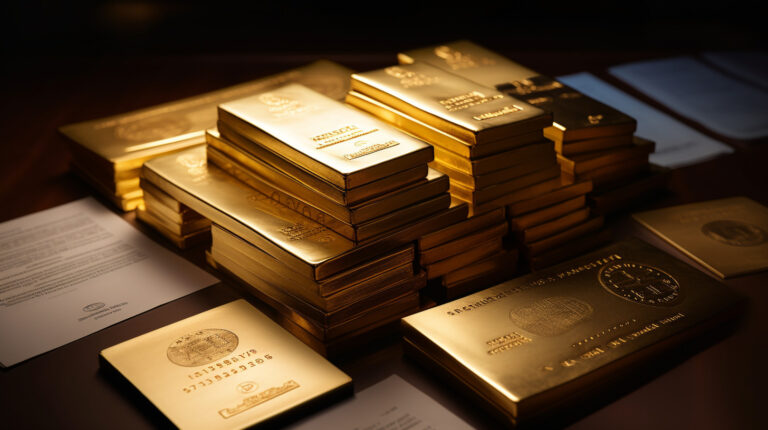
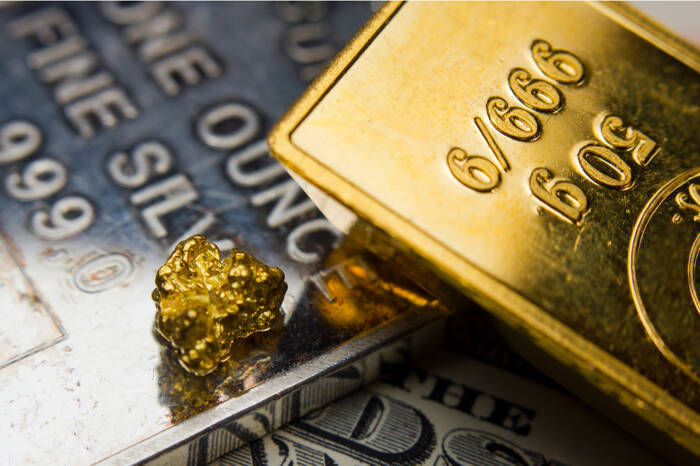
- Gold hit a record high near $2,450 in Asian session on Monday.
- Renewed interest rate cut hopes and Middle East tensions drive demand for gold.
- Fed officials’ speeches later today may offer insights into future monetary policy.
Geopolitical Risks and Safe-Haven Demand
Geopolitical instability continues to support gold prices. Iranian state television reported no signs of life at the crash site of a helicopter carrying President Ebrahim Raisi, heightening tensions in the Middle East. This incident, along with the renewed conflict between Russia and Ukraine, has increased the demand for gold as a safe-haven asset.
Central Bank Actions and Gold Purchases
In April, the People’s Bank of China (PBoC) added 60,000 troy ounces of gold to its reserves, marking the 18th consecutive month of gold purchases. This demonstrates sustained central bank interest in gold as a stable asset. Richmond Fed President Thomas Barkin noted that while inflation is decreasing, reaching the Fed’s 2% target will take more time.
Cleveland Fed President Loretta Mester stated that the current monetary policy is appropriate as they continue to evaluate economic data. Fed Governor Michelle Bowman mentioned that although the policy is restrictive, she is open to rate hikes if inflation does not improve.
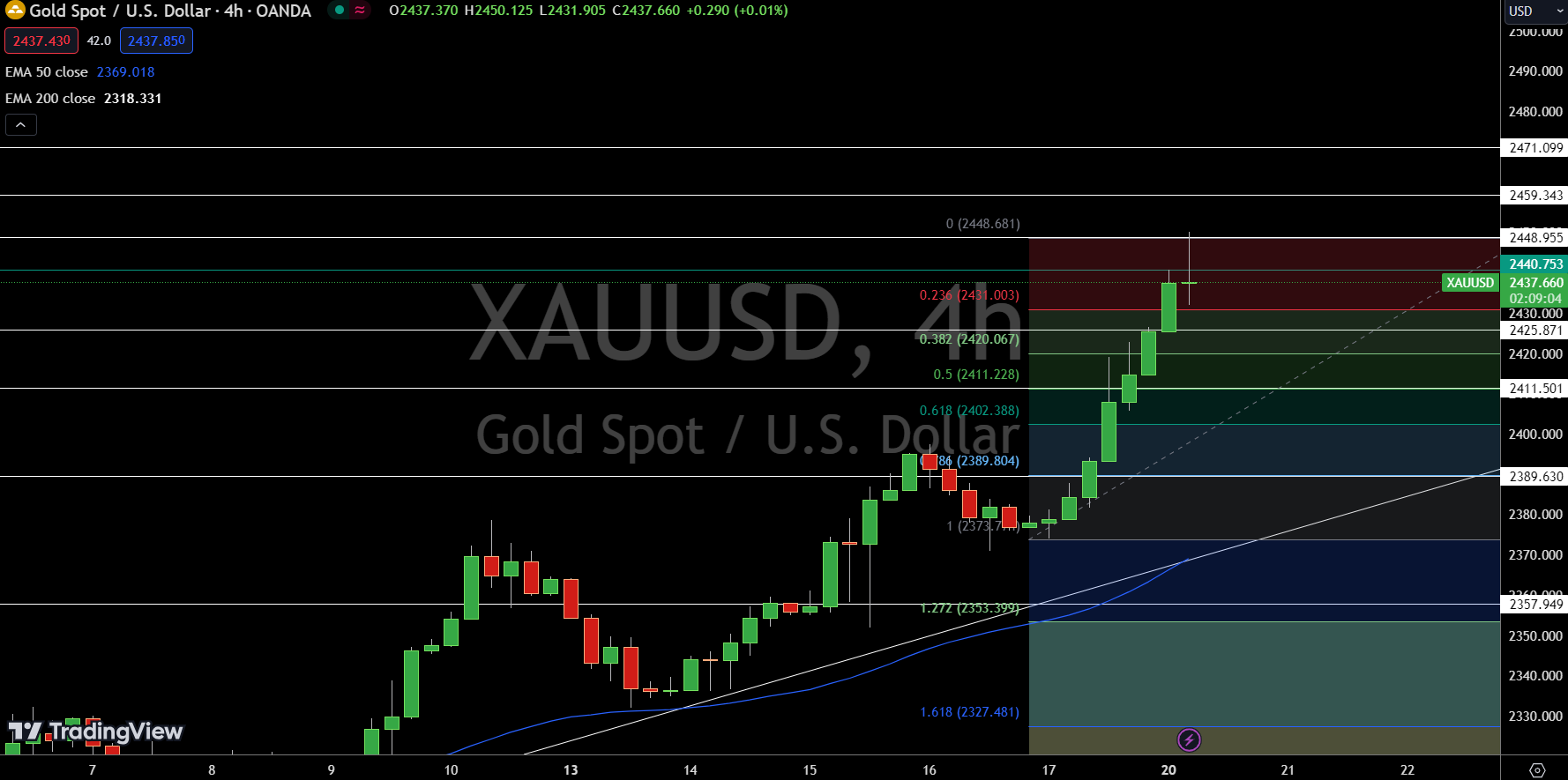
In conclusion, gold is bearish below $2,440.75. A break above this level could reinforce a bullish bias, while staying below may lead to further declines.